

Many women experience urine leakage at some point in their lives, yet it remains one of the least talked-about health concerns.
Some women notice a few drops of urine when they laugh, cough, sneeze, or exercise. Others may suddenly feel a strong urge to urinate and struggle to reach the bathroom in time. For some, bladder leakage begins after childbirth. For others, it develops gradually with age.
Whatever the cause, one thing is important to understand:
Urinary incontinence is common, but it is not something you simply have to live with.
Many women silently adapt their lives around bladder leakage. They stop exercising, avoid social activities, wear protective pads every day, or constantly plan their outings around access to a restroom.
The good news is that effective urinary incontinence treatment options are available, and many women experience significant improvement once the underlying cause is identified.
What Is Urinary Incontinence?
Urinary incontinence refers to the involuntary leakage of urine.
It occurs when the muscles, nerves, or structures involved in bladder control are not functioning as effectively as they should.
The severity can vary greatly.
Some women may experience occasional leakage, while others may struggle with more frequent or significant loss of bladder control.
Although urinary incontinence becomes more common with age, it can affect women at any stage of life.
How Common Is Bladder Leakage?
Urinary incontinence is far more common than most women realize.
Many women feel embarrassed discussing bladder symptoms, which is why the condition often goes untreated.
In reality, urinary leakage affects millions of women worldwide and is frequently seen during:
- Pregnancy
- After childbirth
- Perimenopause
- Menopause
- Later adulthood
Fortunately, most cases can be improved with appropriate treatment.
Types of Urinary Incontinence
Understanding the type of incontinence is the first step toward finding the right treatment.
Stress Incontinence
Stress incontinence is the most common type of urinary incontinence in women.
Despite the name, it is not caused by emotional stress.
It occurs when physical pressure on the bladder causes urine leakage.
Common triggers include:
- Coughing
- Sneezing
- Laughing
- Running
- Jumping
- Lifting heavy objects
- Exercise
Stress incontinence often develops when the pelvic floor muscles and supportive tissues become weakened.
This frequently occurs after pregnancy, childbirth, or hormonal changes associated with aging.
Urge Incontinence
Urge incontinence occurs when a woman experiences a sudden and intense urge to urinate, followed by involuntary urine leakage.
Women may feel:
- A strong need to urinate immediately
- Difficulty delaying urination
- Frequent trips to the bathroom
- Night-time urination
Mixed Incontinence
Some women experience a combination of stress and urge incontinence.
This is known as mixed incontinence and may require a tailored treatment approach.
Why Does Urinary Incontinence Happen?
Several factors can contribute to bladder control problems.
Pregnancy and Childbirth
Pregnancy places increased pressure on the pelvic floor muscles.
Vaginal delivery can further stretch and weaken the muscles and connective tissues that support the bladder.
This is one reason why postpartum urinary incontinence is relatively common.
Aging
Natural aging can affect both muscle strength and bladder function.
Menopause
Hormonal changes after menopause may contribute to weakening of pelvic tissues and changes in bladder support.
Chronic Cough
Conditions that involve repeated coughing can place ongoing pressure on the pelvic floor.
Obesity
Excess body weight increases pressure on the bladder and surrounding structures.
Previous Pelvic Surgery
Certain pelvic procedures may affect bladder support or pelvic floor function.
Postpartum Urinary Incontinence: Why New Mothers Should Not Ignore It
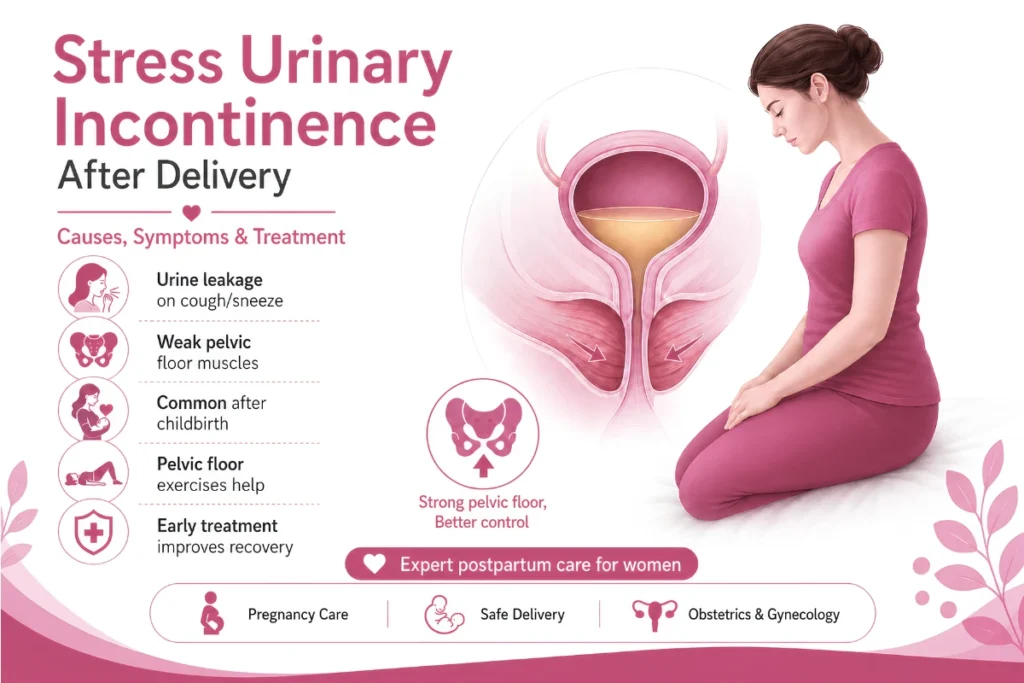
Many women experience bladder leakage after childbirth and assume it is simply part of becoming a mother.
While mild leakage can occur during the recovery period, persistent symptoms should not be ignored.
Common postpartum symptoms include:
- Leakage while sneezing
- Leakage while lifting the baby
- Leakage during exercise
- Reduced bladder control
In many cases, early intervention can significantly improve symptoms and prevent long-term problems.
The sooner treatment begins, the better the opportunity for recovery.
Pelvic Floor Exercises for Urinary Leakage
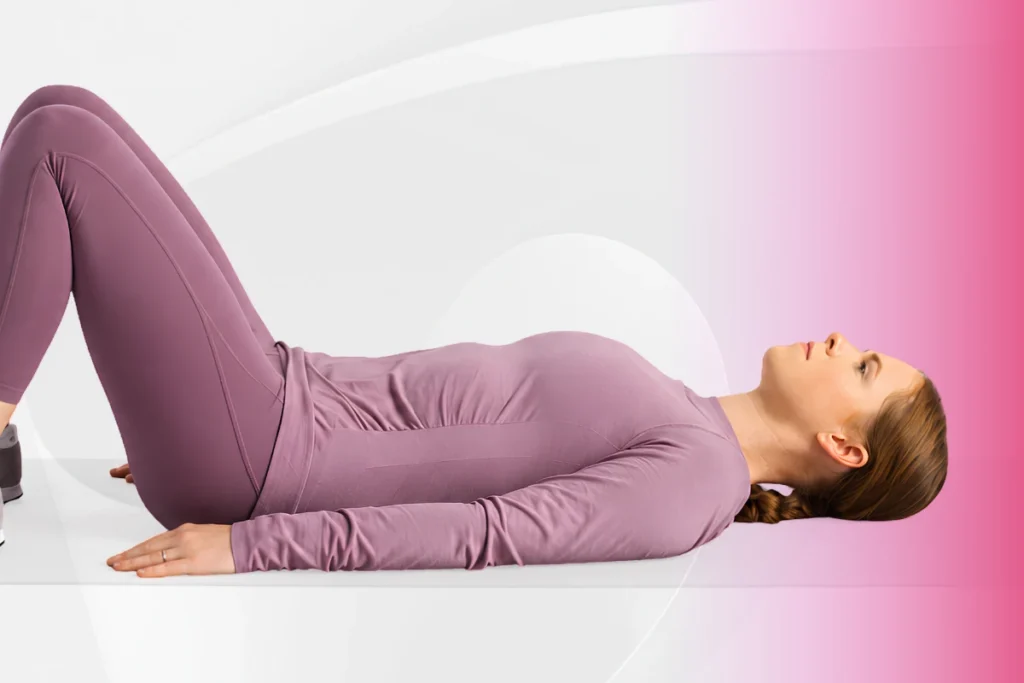
One of the most effective first-line treatments for many women is strengthening the pelvic floor.
The pelvic floor consists of muscles that support:
- The bladder
- The uterus
- The bowel
When these muscles become weak, bladder control may be affected.
How Pelvic Floor Exercises Help
Pelvic floor exercises for urinary leakage, often called Kegel exercises, help strengthen the muscles responsible for supporting the bladder and controlling urine flow.
Benefits may include:
- Improved bladder control
- Reduced leakage episodes
- Better pelvic support
- Enhanced postpartum recovery
However, many women are unsure whether they are performing the exercises correctly.
Guidance from a healthcare professional or pelvic floor specialist can often improve results significantly.
Lifestyle Changes That Can Help Reduce Leakage
Simple lifestyle modifications can make a meaningful difference.
Maintain a Healthy Weight
Reducing excess pressure on the bladder can improve symptoms.
Manage Chronic Constipation
Straining can weaken pelvic floor muscles over time.
Avoid Bladder Irritants
Some women find that reducing certain foods and drinks helps improve bladder symptoms.
Common triggers may include:
- Caffeine
- Carbonated beverages
- Alcohol
- Artificial sweeteners
Stay Physically Active
Appropriate exercise supports overall pelvic health.
When Should You Seek Medical Advice?
Many women wait years before discussing bladder leakage with a doctor.
You should consider seeking evaluation if:
- Leakage affects daily life
- You regularly wear pads because of urine loss
- Symptoms are worsening
- You avoid exercise due to leakage
- Bladder issues developed after childbirth and are not improving
- You experience frequent urgency or accidents
Early treatment often leads to better outcomes and prevents symptoms from becoming more severe.
How Is Urinary Incontinence Diagnosed?

A thorough evaluation helps determine the type and cause of incontinence.
Assessment may include:
Medical History
Your doctor will discuss:
- Symptom patterns
- Pregnancy history
- Delivery history
- Previous surgeries
- Lifestyle factors
Physical Examination
Pelvic examination can help assess pelvic floor strength and support.
Bladder Assessment
Additional tests may be recommended when needed to evaluate bladder function.
The goal is to identify the exact reason for leakage so treatment can be targeted effectively.
Urinary Incontinence Treatment Options
The best urinary incontinence treatment depends on the type and severity of symptoms.
Pelvic Floor Rehabilitation
Often the first and most effective step for mild to moderate symptoms.
Bladder Training
This involves techniques to improve bladder control and reduce urgency.
Lifestyle Modifications
Weight management, fluid adjustments, and dietary changes may help.
Medical Treatment
Certain medications may be appropriate for specific forms of incontinence.
Minimally Invasive Procedures
Some women may benefit from procedures designed to improve bladder support.
Surgical Treatment
In selected cases of significant stress incontinence, surgical intervention may provide long-term symptom relief.
Your treatment plan should always be individualized based on your symptoms, lifestyle, and future health goals.
Can Urinary Incontinence Be Prevented?
While not all cases can be prevented, certain measures may reduce risk:
- Maintaining a healthy weight
- Performing regular pelvic floor exercises
- Managing chronic cough
- Treating constipation promptly
- Seeking postpartum pelvic floor rehabilitation when needed
These strategies help support long-term bladder health.
Living With Urinary Incontinence: You Are Not Alone
One of the most important things to remember is that urinary incontinence is extremely common.
Many women assume they are the only ones experiencing bladder leakage.
In reality, countless women silently struggle with the same symptoms.
The difference is that effective treatment exists.
You do not need to plan your life around the nearest bathroom, avoid exercise, or feel anxious about unexpected leakage.
Help is available.
Final Thoughts
Urinary incontinence can affect confidence, physical activity, social life, and overall quality of life. Whether you experience occasional leakage when you sneeze or more persistent bladder control issues, it is important to know that treatment options are available.
From pelvic floor exercises for urinary leakage and lifestyle changes to advanced medical and surgical treatments, there are solutions that can help women regain control and improve daily comfort.
The first step is seeking an accurate diagnosis and understanding the cause of your symptoms.
Dr. Neha Lalla provides comprehensive evaluation and personalized care for women experiencing urinary incontinence, pelvic floor concerns, postpartum recovery challenges, and other gynaecological conditions. Through evidence-based treatment and individualized care plans, she helps women restore confidence and improve their quality of life.
If bladder leakage is affecting your daily activities, schedule a consultation to explore the most appropriate treatment options for your specific needs.