Fibroids are one of the most common conditions I see in gynaecology consultations. Some women discover them during a routine scan, while others come in because of heavy bleeding, pelvic pressure, painful periods, bloating, or difficulty conceiving.
One of the first questions many women ask is:
“Do I need surgery?”
And if surgery is needed, the next concern is usually:
“Will recovery be painful or long?”
The good news is that fibroid treatment has evolved significantly over the years. Today, many women may be candidates for laparoscopic fibroid removal, a minimally invasive approach that allows us to treat fibroids through very small incisions instead of a large abdominal cut.
For the right patient, laparoscopic myomectomy can offer effective fibroid removal with less pain, shorter recovery, and faster return to daily life.
But it is important to understand that not every fibroid requires surgery, and not every fibroid can be treated the same way. The best treatment depends on the size, number, and location of the fibroids, your symptoms, and whether fertility preservation is important to you.
What Are Uterine Fibroids?
Fibroids are non-cancerous growths that develop from the muscle layer of the uterus. They are extremely common, especially during the reproductive years.
Some fibroids remain small and cause no symptoms at all. Others may interfere with daily life and significantly affect comfort, menstrual health, or fertility.
Common symptoms include:
- Heavy or prolonged menstrual bleeding
- Pelvic pain or pressure
- Bloating or abdominal fullness
- Frequent urination
- Constipation
- Pain during intercourse
- Difficulty conceiving
- Recurrent miscarriages in some cases
Not all fibroids behave the same way. In many cases, the location of the fibroid matters more than the size.
For example, a smaller fibroid growing inside the uterine cavity may affect fertility more than a larger fibroid growing outside the uterus.
That is why treatment should always be individualized.
When Do Fibroids Need Treatment?
Not every fibroid needs immediate intervention.
In some women, fibroids are simply monitored over time if they are not causing symptoms or affecting fertility.
Treatment may be recommended when fibroids are causing:
- Significant pain or pressure symptoms
- Heavy bleeding leading to anemia
- Fertility challenges
- Recurrent pregnancy loss
- Rapid growth
- Distortion of the uterine cavity
- Difficulty with bladder or bowel function
The goal is not simply to remove fibroids.
The goal is to improve quality of life while preserving uterine health whenever possible.
What Is Laparoscopic Fibroid Removal?
Laparoscopic fibroid removal is a minimally invasive surgical technique used to remove fibroids while preserving the uterus.
This procedure is also called a laparoscopic myomectomy.
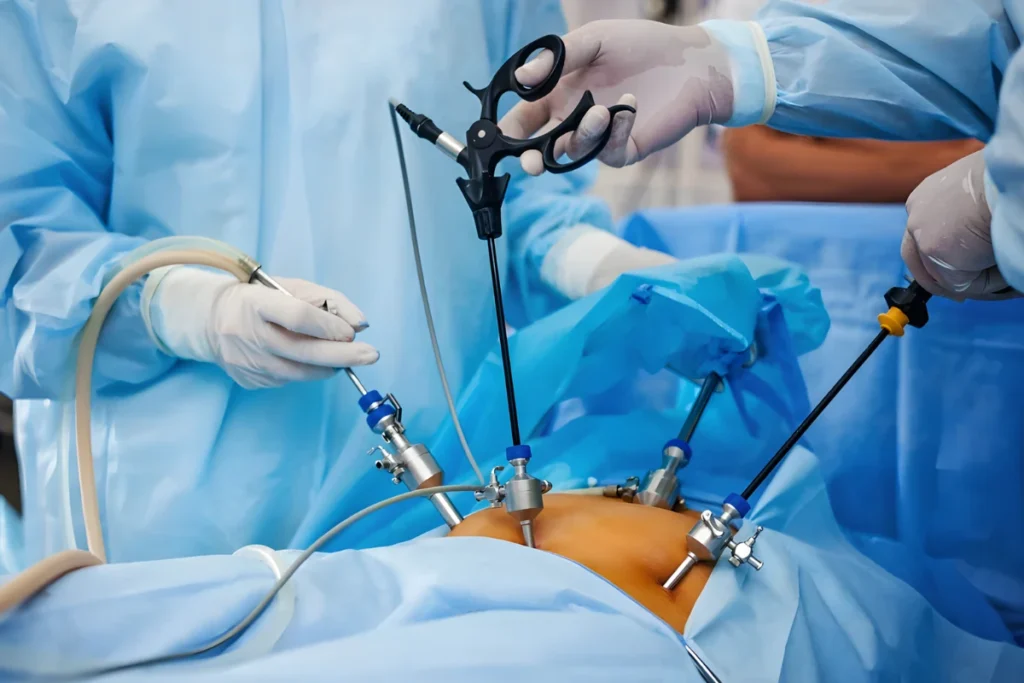
Instead of a large incision, surgery is performed through a few very small cuts in the abdomen using:
- A laparoscope (small camera)
- Fine surgical instruments
- Advanced minimally invasive surgical techniques
The camera provides a magnified view of the pelvis, allowing precise removal of fibroids while minimizing trauma to surrounding tissues.
For many women, this means:
- Smaller scars
- Less pain after surgery
- Reduced blood loss
- Faster healing
- Shorter hospital stay
- Quicker return to normal activities
Who Is a Good Candidate for Laparoscopic Myomectomy?
Not every woman with fibroids will need laparoscopic surgery, but many may benefit from it.
You may be a suitable candidate if:
- Your fibroids are causing symptoms
- You wish to preserve your uterus
- You are planning future pregnancy
- The size and location of the fibroids are suitable for minimally invasive surgery
- You want a faster recovery compared to open surgery
However, the decision depends on detailed evaluation.
During consultation, factors we assess include:
- Number of fibroids
- Size of fibroids
- Position within the uterus
- Previous surgeries
- Fertility goals
- Severity of symptoms
This is why a proper scan and individualized treatment plan are essential before deciding on surgery.
Benefits of Minimally Invasive Fibroid Surgery
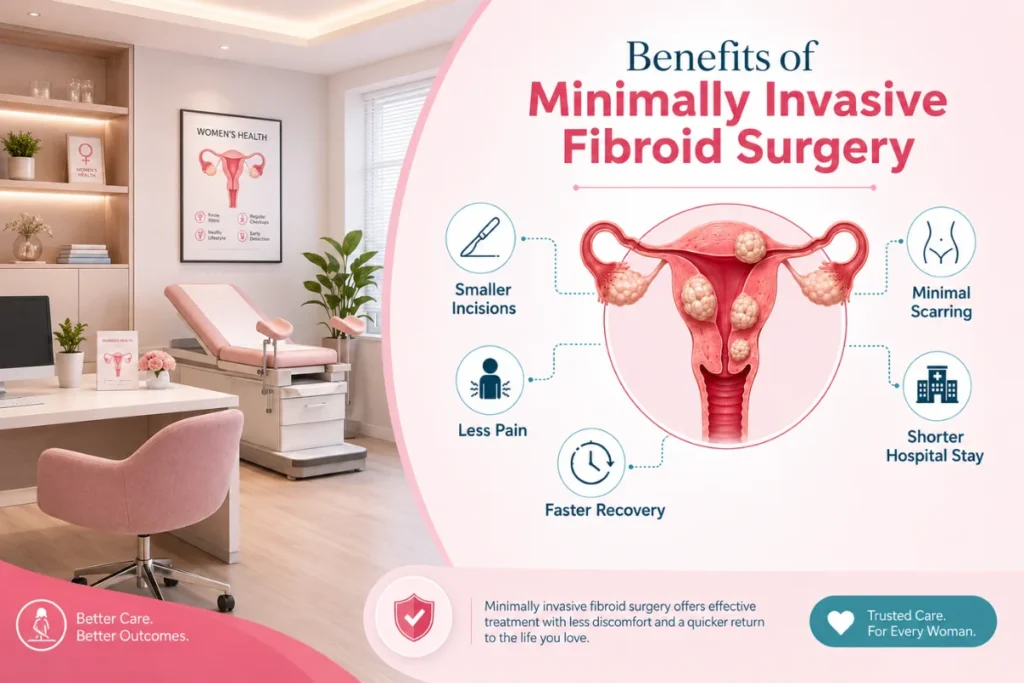
One of the biggest reasons women prefer minimally invasive fibroid surgery is the recovery experience.
Compared to traditional open surgery, laparoscopic techniques often allow women to recover more comfortably and return to daily life sooner.
Some important benefits include:
Smaller Incisions
Tiny incisions mean minimal visible scarring and less tissue trauma.
Less Post-Operative Pain
Because the abdominal muscles are not extensively opened, many women experience significantly less discomfort after surgery.
Faster Recovery
Most women can resume light activities much sooner compared to traditional surgery.
Shorter Hospital Stay
In many cases, hospital stay is reduced, allowing women to recover comfortably at home.
Better Cosmetic Outcome
Smaller scars are often an important emotional and aesthetic benefit for many patients.
Fertility Preservation
In selected patients, laparoscopic myomectomy helps remove fibroids while preserving the uterus for future pregnancy.
Can Fibroids Be Treated Without Surgery?
One of the most common misconceptions is that every fibroid automatically requires surgery.
That is not true.
There are situations where uterine fibroid treatment without surgery may be appropriate.
Depending on symptoms and fibroid characteristics, non-surgical management may include:
- Observation and monitoring
- Hormonal medications
- Medications to reduce bleeding
- Lifestyle modifications
- Iron therapy for anemia
- Temporary hormonal suppression in selected cases
However, non-surgical options may not permanently remove fibroids. In women with severe symptoms, fertility concerns, or large fibroids, surgery may still become necessary.
The key is understanding which option is most suitable for your body and your long-term goals.
What Happens During Laparoscopic Fibroid Surgery?
The procedure is performed under general anaesthesia.
During surgery:
- Small incisions are made in the abdomen
- A camera is inserted for visualization
- Fibroids are carefully separated from the uterine muscle
- The uterus is reconstructed with precise suturing
- Fibroids are removed safely through minimally invasive techniques
The exact duration of surgery depends on:
- Number of fibroids
- Size of fibroids
- Surgical complexity
- Presence of adhesions or endometriosis
Every surgery is individualized based on the patient’s anatomy and reproductive goals.
What Is Fibroid Surgery Recovery Like?
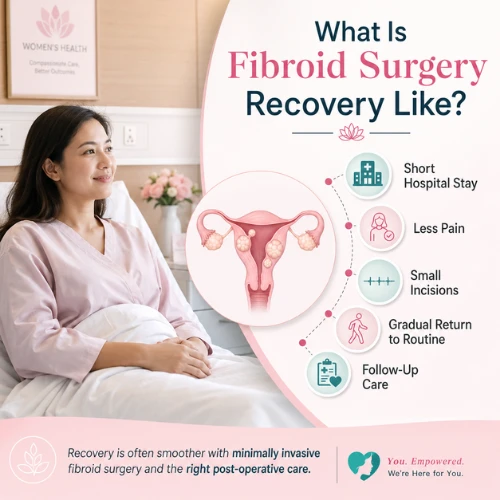
One of the major advantages of laparoscopic surgery is a smoother fibroid surgery recovery.
Recovery varies from person to person, but many women experience:
- Less pain compared to open surgery
- Earlier mobility
- Faster return to routine activities
- Reduced recovery downtime
Some women resume desk work within 1–2 weeks, depending on the nature of their work and overall recovery.
Full healing internally may still take several weeks, which is why post-operative care and follow-up remain important.
During recovery, patients are usually advised to:
- Avoid heavy lifting temporarily
- Stay hydrated
- Walk regularly to improve circulation
- Follow medication instructions carefully
- Attend scheduled follow-ups
Does Laparoscopic Myomectomy Affect Fertility?
For many women trying to conceive, fibroid removal may improve fertility outcomes depending on the type and location of the fibroid.
Fibroids that distort the uterine cavity may interfere with:
- Implantation
- Embryo development
- Blood supply to the uterine lining
In selected cases, removing these fibroids may improve the chances of pregnancy.
However, not every fibroid affects fertility.
That is why individualized fertility evaluation is extremely important before recommending surgery.
Are Fibroids Likely to Come Back?
Fibroid removal surgery removes existing fibroids, but it does not completely prevent new fibroids from developing in the future.
Recurrence depends on several factors, including:
- Age
- Hormonal influences
- Number of fibroids
- Genetic predisposition
Regular follow-up and monitoring remain important, especially in younger women.
When Should You See a Gynaecologist for Fibroids?
You should not ignore symptoms like:
- Heavy periods
- Persistent pelvic pain
- Severe bloating
- Fertility difficulties
- Increasing abdominal size
- Fatigue from heavy bleeding
Many women normalize these symptoms for years before seeking help.
But early evaluation often gives us more treatment options and helps prevent complications.
Final Thoughts
Fibroids do not always require surgery, and surgery does not always mean a large incision or prolonged recovery.
For many women, laparoscopic fibroid removal offers a safer, less invasive, and fertility-preserving option with a smoother recovery experience.
The most important step is proper evaluation.
The right treatment depends on your symptoms, fertility goals, fibroid type, and overall health.
If you are struggling with fibroid-related symptoms or have been advised surgery and want to understand your options better, consulting an experienced gynaecologist can help you make a more informed and confident decision.
Dr Neha Lalla, the best gynecologist in dubai provides personalised evaluation and minimally invasive gynaecological care for women dealing with fibroids, fertility concerns, and complex gynaecological conditions in Dubai.
To book a consultation or learn more about minimally invasive fibroid treatment options, contact the clinic today.