
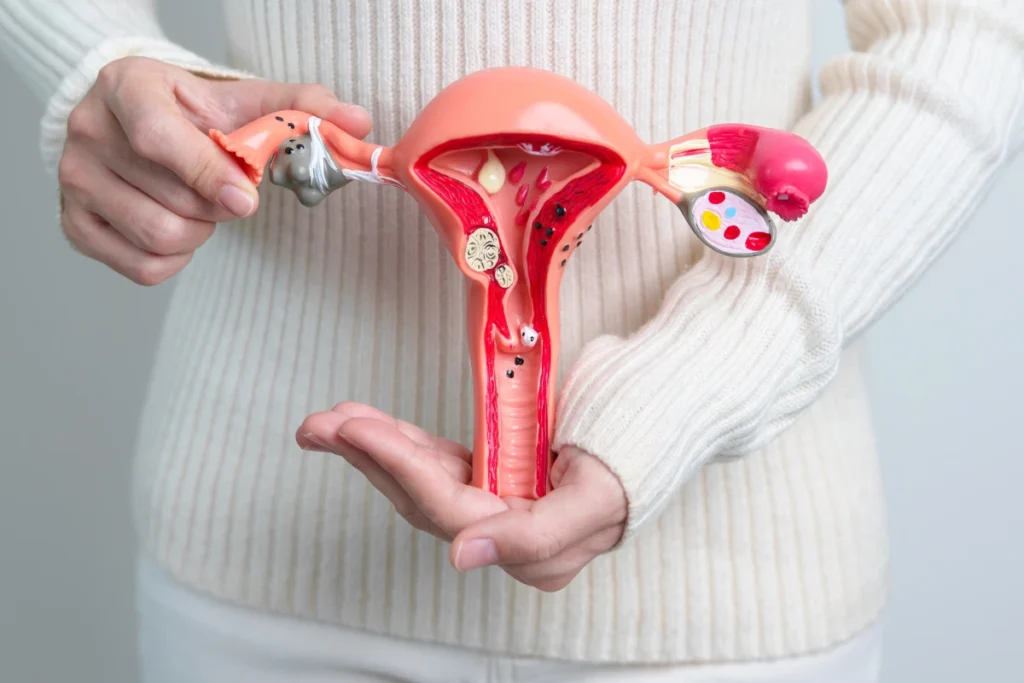
Many women experience symptoms such as irregular bleeding, spotting between periods, or unusually heavy menstrual flow and assume it is simply due to stress, hormonal fluctuations, or age-related changes.
While these factors can certainly affect menstrual cycles, another common and often overlooked cause is the presence of uterine polyps.
Uterine polyps are usually non-cancerous growths that develop within the lining of the uterus. Although many polyps are benign, they can cause troublesome symptoms and, in some cases, affect fertility.
The good news is that uterine polyps can usually be diagnosed accurately and treated effectively using minimally invasive techniques.
Understanding the symptoms, diagnosis, and available uterine polyps treatment options can help women seek timely care and avoid prolonged discomfort.
What Are Uterine Polyps?
Uterine polyps, also known as endometrial polyps, are soft tissue growths that develop from the inner lining of the uterus, called the endometrium.
They occur when cells within the uterine lining grow excessively and form small protrusions into the uterine cavity.
Polyps can vary significantly in size. Some are only a few millimeters in diameter, while others can grow much larger.
A woman may have:
- A single polyp
- Multiple polyps
- Small polyps
- Larger polyps occupying a significant portion of the uterine cavity
Although most uterine polyps are benign, they should always be properly evaluated, especially when associated with abnormal bleeding.
What Causes Uterine Polyps?
The exact cause is not always fully understood, but hormonal influences are believed to play an important role.
Because polyps respond to estrogen, factors that affect hormone levels may contribute to their development.
Certain women may have a higher likelihood of developing uterine polyps, including those who:
- Are in their 40s or 50s
- Are approaching menopause
- Have obesity
- Experience hormonal imbalances
- Use certain hormone-related medications
However, uterine polyps can occur in women of various ages and reproductive stages.
Common Endometrial Polyp Symptoms
One of the challenges with uterine polyps is that symptoms can vary significantly from one woman to another.
Some women experience noticeable symptoms, while others discover polyps during fertility investigations or routine ultrasound examinations.
Common endometrial polyp symptoms include:
Spotting Between Periods
One of the most frequent signs of uterine polyps is unexpected bleeding between menstrual cycles.
If you experience recurring spotting between periods, uterine polyps may be one of the possible causes that should be investigated.
Heavy Menstrual Bleeding
Polyps can increase the surface area of the uterine lining and contribute to heavier menstrual flow.
Women may notice:
- Longer periods
- Increased bleeding
- Passage of blood clots
- Greater menstrual discomfort
Irregular Menstrual Cycles
Some women experience unpredictable bleeding patterns or changes in cycle regularity.
Bleeding After Menopause
Any vaginal bleeding after menopause requires medical evaluation.
In some cases, uterine polyps may be identified as the cause.
Fertility Challenges
In certain situations, uterine polyps may interfere with implantation and affect fertility.
This is particularly important for women who are actively trying to conceive.
Can Uterine Polyps Affect Fertility?
One of the most common questions women ask is whether polyps in the uterus and fertility are connected.
The answer is yes, in some cases.
Polyps may affect fertility by:
- Altering the shape of the uterine cavity
- Interfering with embryo implantation
- Creating an unfavorable environment within the uterus
- Contributing to recurrent implantation failure in some patients
Not every uterine polyp causes fertility problems.
However, when fertility concerns are present, evaluating the uterine cavity becomes an important part of the investigation process.
For women undergoing fertility treatment or experiencing unexplained infertility, identifying and treating uterine polyps may improve reproductive outcomes.
How Are Uterine Polyps Diagnosed?
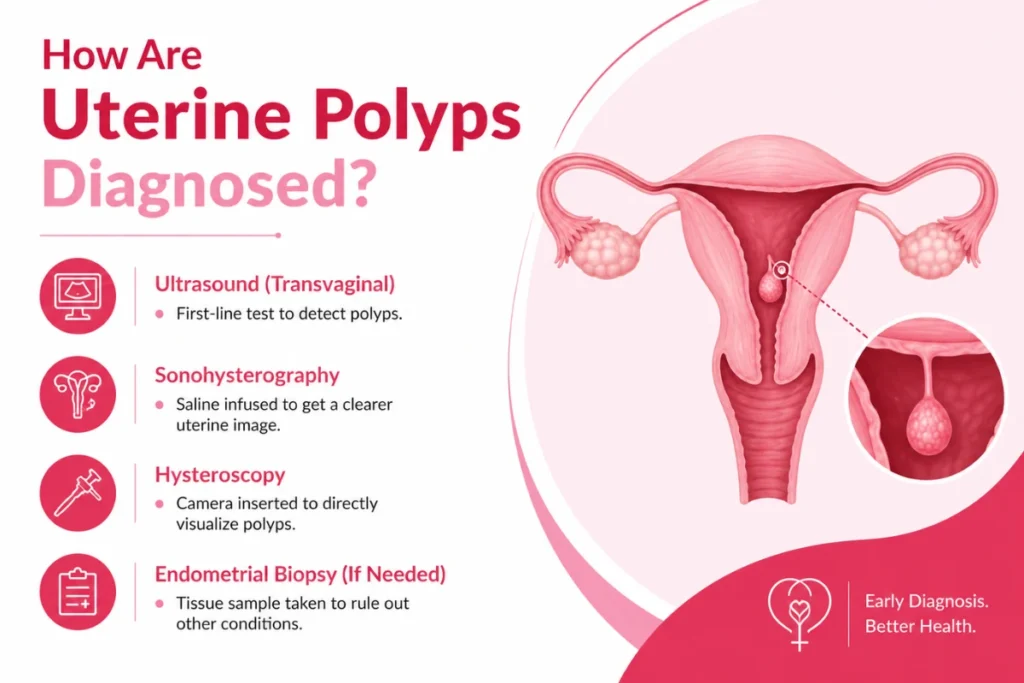
Accurate diagnosis is essential because symptoms caused by uterine polyps can overlap with many other gynaecological conditions.
Several diagnostic tools may be used.
Pelvic Ultrasound
Ultrasound is often the first investigation performed when abnormal bleeding occurs.
It can help identify abnormalities within the uterine cavity and provide valuable information about the size and location of potential polyps.
Saline Infusion Sonography
This specialized ultrasound technique uses sterile fluid to visualize the inside of the uterus better.
It often provides a clearer view of small intracavitary abnormalities.
Hysteroscopy
Hysteroscopy is considered one of the most accurate methods for diagnosing uterine polyps.
A thin camera is gently inserted through the cervix, allowing direct visualization of the uterine cavity.
This enables the gynaecologist to:
- Confirm the presence of polyps
- Assess size and location
- Identify additional abnormalities
- Plan treatment accurately
What Is Hysteroscopic Polypectomy?
The gold standard treatment for most symptomatic uterine polyps is hysteroscopic polypectomy.
This minimally invasive procedure allows the polyp to be removed through the cervix without any abdominal incisions.
Using a hysteroscope, the surgeon can:
- Visualize the uterine cavity directly
- Locate the polyp precisely
- Remove the polyp completely
- Preserve surrounding healthy tissue
Because the procedure is highly targeted, it offers excellent precision and outcomes.
Benefits of Hysteroscopic Polypectomy
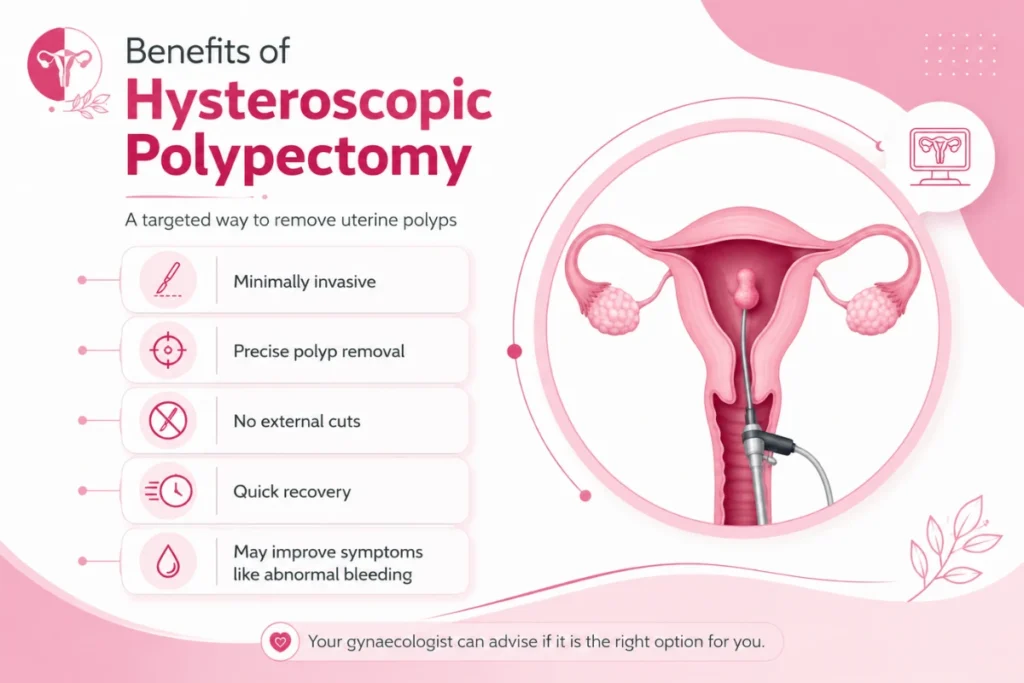
Many women are relieved to learn that treatment does not usually require major surgery.
Advantages of hysteroscopic polypectomy include:
No External Incisions
The procedure is performed through the natural cervical opening.
Minimally Invasive Approach
There is minimal disruption to surrounding tissues.
Faster Recovery
Most women return to normal activities relatively quickly.
Improved Bleeding Symptoms
Many patients notice significant improvement in abnormal bleeding patterns after treatment.
Fertility Preservation
The uterus remains intact, making this procedure particularly valuable for women who wish to conceive.
What Happens During the Procedure?
The procedure is typically performed as a day-care surgery.
During hysteroscopy:
- A thin camera is inserted into the uterus.
- The uterine cavity is carefully examined.
- The polyp is identified.
- Specialized instruments remove the growth.
- The tissue is sent for laboratory analysis.
The exact duration depends on the size and number of polyps present.
Most women go home the same day.
Recovery After Polyp Removal
Recovery is generally straightforward.
Some women may experience:
- Mild cramping
- Light spotting
- Temporary pelvic discomfort
These symptoms usually improve within a few days.
Your gynaecologist will provide specific post-procedure instructions and follow-up recommendations.
Can Uterine Polyps Come Back?
Although removal is highly effective, new polyps can occasionally develop in the future.
The likelihood varies depending on factors such as:
- Hormonal influences
- Age
- Individual risk factors
Regular follow-up may be recommended for women with recurrent symptoms.
When Should You See a Gynaecologist?
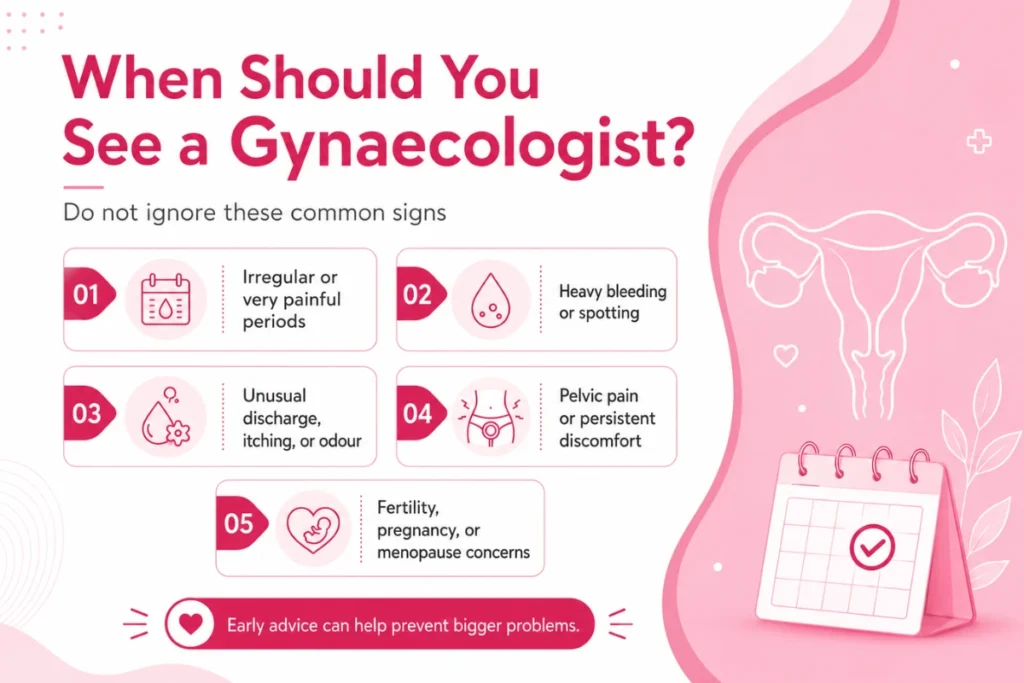
You should seek medical evaluation if you experience:
- Spotting between periods
- Heavy menstrual bleeding
- Irregular bleeding patterns
- Bleeding after menopause
- Difficulty conceiving
- Recurrent pregnancy loss
- Persistent changes in your menstrual cycle
Early evaluation allows prompt diagnosis and may help prevent ongoing symptoms or fertility complications.
Why Accurate Diagnosis Matters
Polyps do not always cause abnormal bleeding.
Similar symptoms may also occur with:
- Fibroids
- Hormonal imbalances
- Adenomyosis
- Endometrial hyperplasia
- Endometriosis
- Cervical abnormalities
This is why a comprehensive assessment is essential before deciding on treatment.
A personalized approach ensures that the true underlying cause is identified and managed appropriately.
Final Thoughts
Uterine polyps are a common cause of abnormal uterine bleeding and can sometimes affect fertility. Symptoms such as spotting between periods, heavy periods, or unexplained fertility challenges should not be ignored.
Fortunately, advances in minimally invasive gynaecology allow uterine polyps to be diagnosed accurately and treated effectively through procedures such as hysteroscopic polypectomy.
For many women, treatment not only improves bleeding symptoms but also restores confidence and peace of mind.
Dr Neha Lalla specializes in advanced hysteroscopy, minimally invasive gynaecological surgery, fertility evaluation, and the management of abnormal uterine bleeding. Through individualized care and evidence-based treatment plans, she helps women achieve better reproductive health and improved quality of life.
If you are experiencing irregular bleeding, spotting between periods, or fertility concerns, schedule a consultation to explore the cause and discuss the most appropriate treatment options for your needs.