A healthy pregnancy begins long before the positive test appears. The choices you make in the months leading up to conception influence fertility, energy levels, and your baby’s early development. Many women start this journey by looking for the right pregnancy diet plan or trying to understand which foods support their bodies best. Good nutrition gives you a strong foundation and helps your pregnancy progress with more comfort and confidence.
Your body undergoes remarkable changes during pregnancy. Hormones shift, nutritional needs rise, and your energy patterns may change from week to week. A balanced approach to prenatal nutrition helps you stay nourished, reduces the chances of deficiencies, and supports both physical and emotional well-being. Whether you are preparing to conceive or already pregnant, building a thoughtful nutrition routine is one of the most important steps you can take.
Why Nutrition Matters Before and During Pregnancy
Nutrition shapes your reproductive health long before conception. The nutrients you consume play a direct role in hormone balance, ovulation, blood sugar stability, and overall well-being. When your diet is rich in whole foods, antioxidants, and essential vitamins, your body is better prepared for the demands of pregnancy.
Women often begin learning about the best foods for pregnancy once they conceive, but early preparation is equally important. Quality nutrition supports egg health, improves immunity, and enhances the growth of the placenta in the early stages. This strong nutritional base creates a smoother path for the months ahead.
What a Balanced Pregnancy Diet Plan Should Include
A balanced pregnancy diet plan focuses on foods that offer steady energy and consistent nourishment. Instead of complicated rules, it uses simple, everyday ingredients that support maternal and foetal health.
A well-rounded daily plate includes:
• Whole grains such as oats, brown rice, quinoa, and millet
• Fresh fruits for natural vitamins and hydration
• Colourful vegetables rich in antioxidants
• Lean proteins such as eggs, chicken, lentils, tofu, and fish
• Healthy fats from nuts, seeds, avocados, and olive oil
• Sufficient water intake for digestion and circulation
These foods supply the nutrients required for growth, keep energy stable, and help you manage common pregnancy discomforts.
Essential Nutrients for Prenatal Nutrition
Certain nutrients play a central role during preconception and pregnancy. Including them consistently supports both your health and your baby’s development.
Folic Acid
Helps prevent neural tube defects and supports early brain and spinal cord development. Starting supplementation before conception is recommended.
Iron
Prevents anaemia, improves energy levels, and ensures proper oxygen supply. Sources include eggs, spinach, beans, fortified cereals, and lean meats.
Calcium
Supports bone formation, muscle function, and nerve signalling. Good sources include dairy, sesame seeds, tofu, almonds, and leafy greens.
Omega-3 Fatty Acids
Vital for your baby’s brain and eye development. Found in salmon, walnuts, flaxseeds, and chia seeds.
Protein
Essential for muscle growth and tissue repair. Include yoghurt, pulses, eggs, fish, and lean meats.
Vitamin D
Important for bone health and immune function. Sunlight exposure and fortified foods help maintain healthy levels.
Fibre
Supports digestion and helps prevent constipation. Found in vegetables, fruits, oats, and whole grains.
Best Foods for Pregnancy: What to Focus On
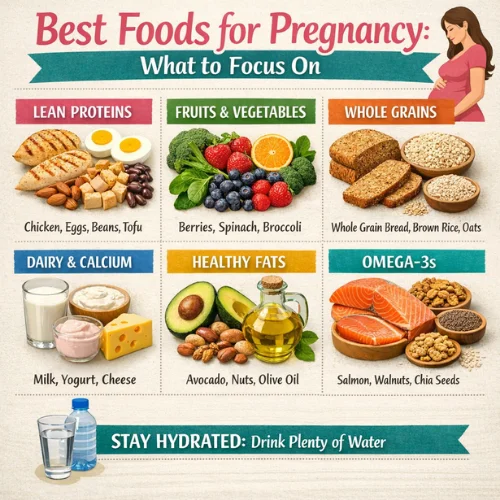
Some foods stand out for their nutrient density and consistent support during pregnancy.
1. Leafy Greens
Full of iron, folate, fibre, and antioxidants. They help maintain healthy blood levels and support early development.
2. Eggs
A complete source of protein and choline, which is important for brain development.
3. Lentils and Beans
Provide fibre, folate, and iron, making them excellent choices for prenatal nutrition.
4. Salmon
Offers omega-3 fatty acids, protein, and vitamin D.
5. Berries
High in antioxidants, vitamins, and natural fibre.
6. Nuts and Seeds
Support hormone balance, steady energy, and foetal brain development.
7. Yoghurt
Provides calcium, protein, and probiotics that support digestion and immunity.
8. Whole Grains
Help regulate blood sugar and supply essential B-vitamins.
These foods offer a steady supply of nutrients and help you feel energised throughout pregnancy.
Foods to Eat When Trying to Conceive
Women often ask which foods support reproductive health before pregnancy. A well-balanced diet improves hormonal balance, supports ovulation, and strengthens your nutritional reserves.
Some valuable foods to eat when trying to conceive include:
• Dark leafy greens
• Avocados
• Eggs
• Berries
• Pumpkin seeds
• Lentils
• Salmon
• Whole grains
These foods help regulate hormones, support a healthy menstrual cycle, and promote overall well-being.
The Role of a Fertility Diet in Early Preparation
A thoughtful fertility diet helps prepare your body for conception. It regulates insulin levels, reduces inflammation, supports egg quality, and ensures your reproductive system receives the nutrients it needs.
Healthy fats assist with hormone production, antioxidants protect egg cells, and fibre supports detoxification. When your diet is balanced and consistent, the reproductive system functions more smoothly and responds more predictably.
Foods and Habits to Limit
Limiting certain foods can improve both fertility and pregnancy health.
Avoid or reduce:
• Excess caffeine
• Highly processed foods
• Sugary snacks
• Raw or undercooked meats
• High-mercury fish
• Alcohol and smoking
These items may interfere with hormone regulation, digestion, and foetal development.
Hydration and Its Importance During Pregnancy
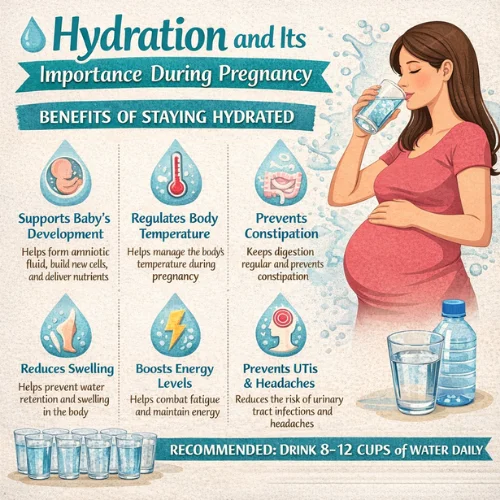
Water plays a quiet but essential role in prenatal health. It helps regulate temperature, supports digestion, maintains amniotic fluid levels, and improves nutrient transport. Staying consistently hydrated throughout the day supports both maternal and foetal wellbeing.
Herbal teas, infused water, and coconut water provide hydration without unnecessary sugar.
Meal Planning Tips for a Healthy Pregnancy
Structured meal planning ensures your diet remains balanced even during busy days or morning sickness phases. It helps you maintain steady energy and prevents excessive snacking.
A simple approach includes:
• A nourishing breakfast with protein and complex carbohydrates
• A filling lunch with vegetables and lean proteins
• A lighter dinner that supports digestion
• Healthy snacks like nuts, fruit, yoghurt, or roasted chickpeas
Meal planning also helps maintain stable blood sugar and reduces cravings.
Using Nutrition to Manage Common Pregnancy Symptoms
Many pregnancy symptoms respond well to dietary adjustments.
For nausea: Choose simple foods like crackers, toast, bananas, and ginger tea.
For constipation: Increase fibre through fruits, vegetables, and whole grains.
For acidity: Opt for smaller meals and include soothing foods like yoghurt and cucumbers.
Listening to your body helps you make gentle, practical adjustments throughout the journey.
Emotional Wellbeing and Nutrition
How you feel mentally influences how your body responds to food. Eating in a calm environment, taking time to chew properly, and choosing foods that make you feel comfortable promote both physical and emotional balance. A nurturing mealtime routine supports digestion and helps your body absorb nutrients more effectively.
Conclusion
A balanced pregnancy diet plan strengthens your body, supports your baby’s development, and reduces the chances of nutritional deficiencies. If you would like personalised guidance tailored to your pregnancy or preconception needs, you can meet Dr Neha at Prime Hospital, Dubai. Book a consultation to create a nutrition plan that aligns with your health and pregnancy goals.