
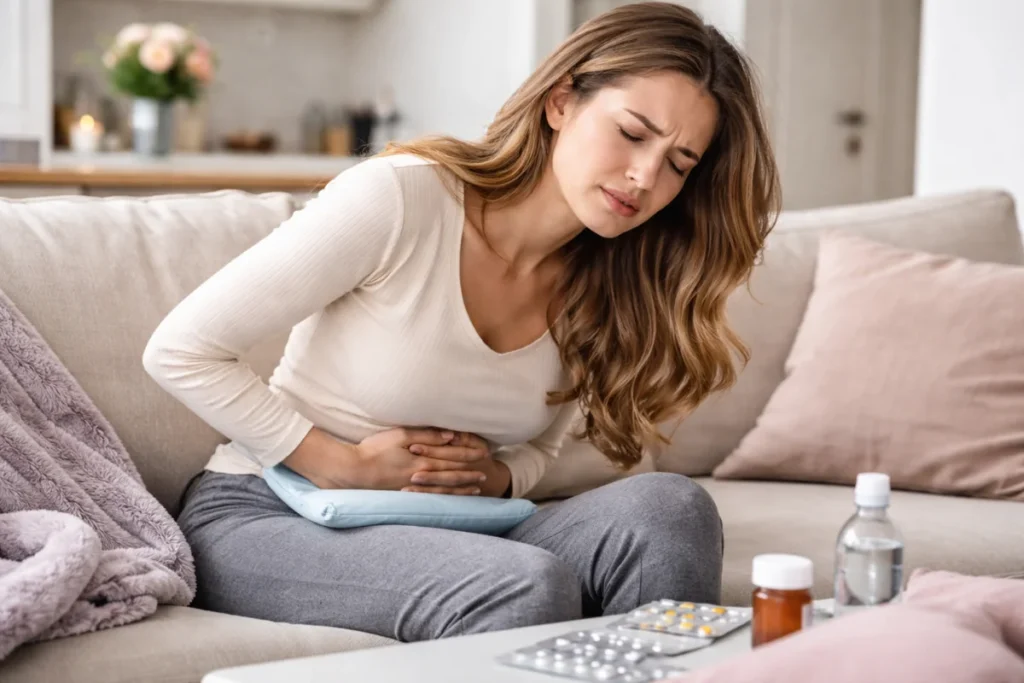
Endometriosis is one of the most common conditions affecting women, yet it is frequently misunderstood or diagnosed late. Many women spend years searching for answers to their symptoms, especially when the pain feels more intense than a typical period. Understanding endometriosis symptoms early helps you recognise when it is time to seek support and begin proper treatment. If you have been experiencing persistent pelvic pain, heavy periods, or difficulty conceiving, you may be dealing with a condition that needs medical attention.
Living with endometriosis can feel frustrating. The pain often disrupts daily routines, affects emotional well-being, and creates uncertainty about long term fertility. Early awareness and timely care from an endometriosis specialist can make a meaningful difference. With the right knowledge, you can understand what is happening in your body and explore treatment options that help reduce discomfort and protect your fertility.
What Is Endometriosis?
Endometriosis is a condition where tissue similar to the lining of the uterus begins to grow outside the uterus. This tissue may appear on the ovaries, fallopian tubes, pelvic walls, or in other nearby areas. Although the tissue behaves like normal uterine lining, it has no way to exit the body. This leads to inflammation, scarring, and the formation of cysts, which cause pain and other symptoms.
Many women do not realise they have endometriosis until they struggle with painful periods or fertility concerns. The condition varies in severity and can affect each woman differently.
Common Endometriosis Symptoms
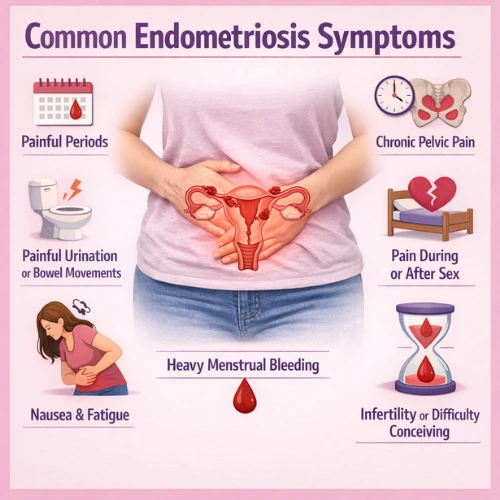
Understanding the signs helps you recognise when something feels unusual. Here are the most common symptoms associated with endometriosis.
1. Painful Periods
Severe menstrual pain is one of the most recognisable painful period symptoms of endometriosis. The pain often begins before your period and continues through the cycle. It may feel sharp, cramping, or heavy in the lower back and pelvis. If your pain routinely forces you to miss work or daily activities, it is important to speak with a specialist.
2. Pelvic Pain Throughout the Cycle
Some women experience pelvic pain even outside their periods. This ongoing discomfort may worsen during ovulation or sexual intercourse. Chronic pelvic pain is a significant sign that endometriosis may be affecting the surrounding tissues.
3. Heavy Menstrual Bleeding
Many women with endometriosis experience heavy or prolonged periods. Passing large clots, needing frequent pad or tampon changes, or bleeding for more than seven days are signs worth evaluating.
4. Pain During Intercourse
Discomfort or sharp pain during intercourse can be caused by endometrial tissue growing behind the uterus or in deep pelvic areas. This pain should never be ignored and should be discussed with your doctor.
5. Bowel or Bladder Discomfort
Digestive and urinary symptoms such as bloating, painful bowel movements, constipation, diarrhoea, or painful urination during menstruation may also be linked to endometriosis. These symptoms often lead to confusion with conditions like IBS.
6. Fatigue
Chronic inflammation caused by endometriosis often results in ongoing fatigue. Women with the condition commonly report feeling exhausted even with adequate rest.
7. Difficulty Conceiving
A significant number of women with endometriosis struggle with fertility. This happens when scarring or adhesions interfere with egg release, fertilisation, or implantation. The link between endometriosis and infertility is well established, which is why early diagnosis is essential.
Why Endometriosis Leads to Infertility
Endometriosis can impact fertility in several ways. Scar tissue and adhesions may distort the pelvic organs or block the fallopian tubes. Inflammation around the ovaries can affect egg quality. Endometriosis cysts may reduce ovarian reserve over time. Even mild disease can create an environment that makes fertilisation more difficult.
Understanding this link helps you seek guidance early. Many women with endometriosis go on to conceive successfully with timely treatment and proper support.
How Endometriosis Is Diagnosed
A detailed evaluation helps your doctor learn more about the cause of your symptoms. Diagnosis may include:
• Thorough discussion of symptoms
• Pelvic examination
• Ultrasound scan
• MRI in some cases
However, endometriosis is not always visible on imaging tests. The most accurate method for diagnosis is laparoscopy. This procedure allows your doctor to view the pelvic organs directly and identify endometrial lesions or adhesions. If needed, treatment can be performed during the same procedure.
Endometriosis Treatment Options
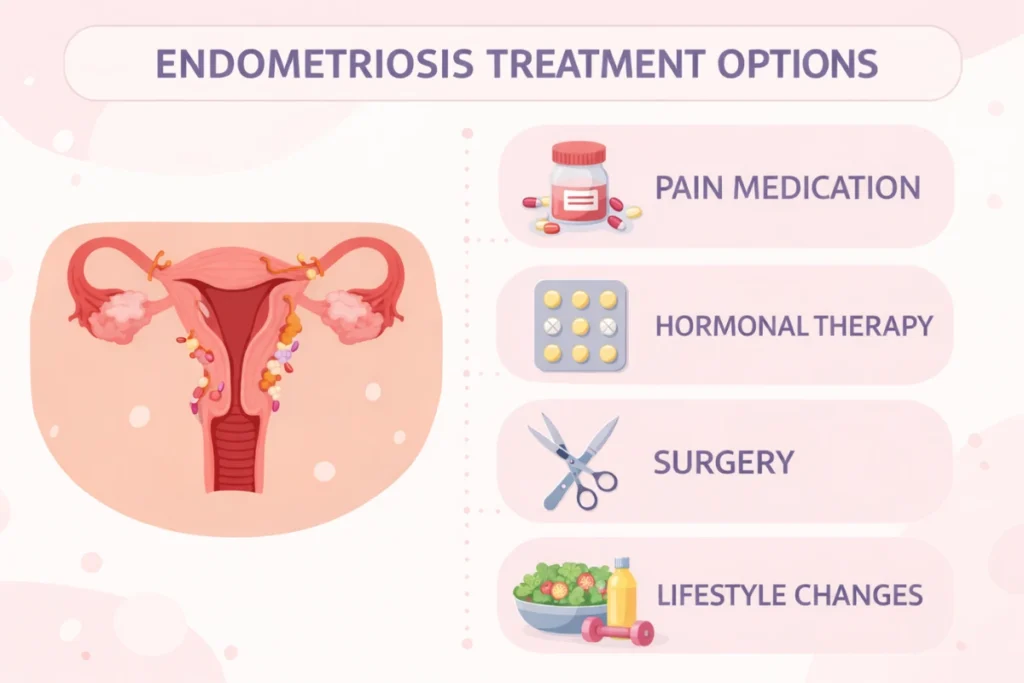
There is no single endometriosis treatment that suits everyone. The best plan depends on your symptoms, age, fertility goals, and overall health. Here are the most common approaches used by specialists.
1. Pain Management
Pain relief is often the first step. Over-the-counter medications, heat therapy, and lifestyle adjustments help many women manage discomfort during periods.
2. Hormonal Treatment
Hormonal therapy helps reduce inflammation, lighten periods, and slow the growth of endometrial tissue. This may include:
• Birth control pills
• Progesterone therapy
• Hormonal intrauterine devices
• GnRH medications
These treatments do not cure endometriosis but offer symptom relief.
3. Fertility Focused Management
Women wishing to conceive may require a more targeted approach. Depending on severity, your doctor may recommend ovulation stimulation, IUI, or IVF. These options support fertility by improving the chances of egg release and fertilisation.
4. Laparoscopic Surgery
For women with significant pain or fertility challenges, laparoscopy is often the most effective option. During surgery, the specialist removes endometrial lesions, cysts, and adhesions. This restores normal pelvic anatomy and improves both comfort and fertility.
Surgery offers relief for many women, especially those who have not responded to medication or who plan to conceive soon.
5. Lifestyle and Supportive Therapies
Certain lifestyle changes may help ease symptoms. A balanced diet, regular physical activity, yoga, and stress management techniques support overall well-being. These methods complement medical treatment but should not replace specialist care.
How to Ease Pain and Improve Daily Comfort
Managing endometriosis requires a combination of medical care and self-care strategies. Here are some ways to feel more comfortable daily.
1. Heat Therapy
A warm compress or hot water bottle placed on the lower belly helps soothe cramping and reduce muscle tension.
2. Gentle Movement
Light exercises such as stretching, walking, and yoga support circulation, ease pelvic tension, and improve mood.
3. Anti-Inflammatory Foods
Foods rich in antioxidants, such as leafy greens, berries, nuts, and fatty fish, help reduce inflammation. Limiting sugar and processed foods also helps.
4. Rest and Stress Reduction
Stress can worsen pelvic pain. Breathing exercises, meditation, and structured rest help calm the nervous system and support hormonal balance.
5. Supportive Clothing
Comfortable clothing prevents additional pressure on the abdomen, especially during flare-ups.
6. Tracking Your Symptoms
Recording your pain patterns and other symptoms helps your doctor understand the condition better and tailor treatment more accurately.
When to See an Endometriosis Specialist
If your symptoms are interfering with daily life or fertility plans, it is time to seek support. You should consult a specialist if you experience:
• Severe menstrual pain that affects your routine
• Pain during intercourse
• Persistent pelvic pain
• Heavy or irregular bleeding
• Difficulty conceiving
• Symptoms that do not respond to basic treatment
An experienced endometriosis specialist can guide you through the diagnosis process and create a personalised treatment plan.
Living with Endometriosis
Living with endometriosis requires patience, support, and awareness. Many women experience relief once they receive a clear diagnosis, as it explains years of unexplained pain. Understanding your condition empowers you to make informed decisions and seek the care you deserve.
With timely treatment, many women manage their symptoms effectively and achieve healthy pregnancies. You are not alone in this journey, and support is available at every step.
Conclusion
Recognising endometriosis symptoms early helps protect your reproductive health and improves your quality of life. If you would like to understand your symptoms or explore treatment options, you can meet Dr Neha at Prime Hospital in Dubai. Book a consultation to receive personalised care and support for your endometriosis journey.