
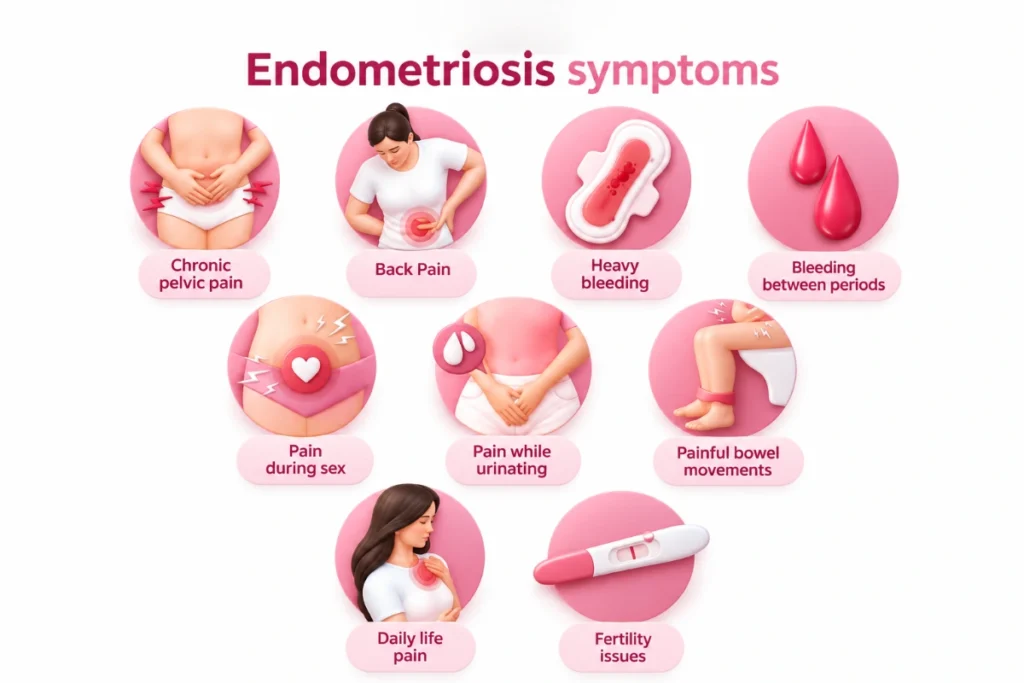
Endometriosis is one of the most common conditions affecting women, yet it is frequently misunderstood or diagnosed late. Many women spend years searching for answers to their symptoms, especially when the pain feels more intense than a typical period. Understanding endometriosis symptoms early helps you recognise when it is time to seek support and begin proper treatment. If you have been experiencing persistent pelvic pain, heavy periods, or difficulty conceiving, you may be dealing with a condition that needs medical attention.
What Are The 20 Symptoms Of Endometriosis
Understanding the signs helps you recognise when something feels unusual. Here are the 20 most common signs and symptoms of endometriosis to look out for:
1. Disabling Period Cramps
Severe menstrual cramps that stop you from working, studying, or doing daily tasks are a classic sign of endometriosis. Unlike typical period discomfort, this pain often does not improve with standard rest or basic over-the-counter pain relief.
2. Pain Before Bleeding Begins
Many women feel cramping, pelvic ache, or lower back heaviness several days before their period actually starts. This early pain happens because hormone shifts trigger inflammation in endometriosis tissue ahead of menstruation.
3. Pain After Bleeding Ends
Pelvic soreness or cramping can linger for days even after your period has completely stopped. Ongoing inflammation and muscle tension in the pelvis often keep the area sensitive once bleeding ends.
4. Pelvic Pain Between Periods
You may experience a dull ache, sharp twinges, or ongoing heaviness in your lower belly at any time of the month. This discomfort can flare up around ovulation or appear randomly outside your cycle.
5. Deep Pain During Intercourse
Sharp or aching pain felt deep inside the pelvis during intercourse can happen when endometrial-like tissue grows behind the uterus or near pelvic ligaments. Certain positions can put direct pressure on these sensitive, inflamed areas.
6. Pain After Intercourse
Even if intercourse itself is tolerable, you might feel throbbing cramps, pelvic soreness, or lower back ache for hours or even a day afterward. This delayed pain is usually caused by muscle spasms and pelvic irritation triggered during intimacy.
7. Painful Bowel Movements
Going to the toilet can feel sharp, cramping, or painful, especially during your period. This happens when inflammation or tissue near the bowel makes normal bowel movements irritate sensitive pelvic nerves.
8. Cyclical Constipation
Struggling to pass stools around the same time each month—most often right before or during your period—can be linked to endometriosis. Pelvic inflammation and swelling near the lower digestive tract can slow down normal bowel activity.
9. Cyclical Diarrhoea
Loose stools or an urgent need to use the bathroom during menstruation is another common digestive pattern. Chemicals released during your period, combined with pelvic irritation, can overstimulate the bowel and mimic stomach bugs or IBS.
10. Abdominal Bloating
Severe, uncomfortable belly swelling—often called “endo belly”—can make your abdomen look and feel visibly distended and tight. It frequently flares up around your period and is driven by pelvic inflammation and digestive sensitivity.
11. Pain Passing Urine
Burning, stinging, or cramping discomfort while urinating—especially around your period—can occur when endometriosis irritates the bladder wall. Because it feels similar to a urinary tract infection (UTI), it is often mistaken for one even when urine tests come back clear.
12. Urinary Urgency Around Periods
Needing to pass urine much more frequently or feeling a sudden, hard-to-hold urge during menstruation is another bladder-related sign. Swelling and irritation near the bladder reduce how comfortably it holds urine during your cycle.
13. Lower Back Pain
A deep, aching pain in the lower back that worsens around your period is very common. Endometriosis tissue on the ligaments supporting the uterus can irritate nearby nerves that refer pain straight to your lower spine.
14. Pain Radiating to Hips or Legs
Cramping or nerve-like pain can spread from your pelvis down into your hips, buttocks, or thighs. This occurs when pelvic inflammation or scar tissue presses on or irritates nerves running toward your legs.
15. Severe Fatigue
Feeling deeply exhausted, drained, or unable to recover energy—even after a full night’s sleep—affects many women with endometriosis. Dealing with ongoing inflammation, chronic pain, and heavy bleeding takes a heavy physical toll on the body.
16. Difficulty Conceiving
Trouble getting pregnant can sometimes be the main or only noticeable sign of endometriosis. Inflammation, scar tissue, or changes around the ovaries and fallopian tubes can make it harder for an egg and sperm to meet or implant.
17. Heavy Menstrual Bleeding
Soaking through pads or tampons quickly, bleeding for more than seven days, or passing large blood clots is worth investigating. While heavy bleeding can also point to conditions like fibroids or adenomyosis, it frequently overlaps with endometriosis.
18. Spotting Between Periods
Light bleeding or brown discharge outside your expected period window can happen when hormone levels fluctuate or the uterine lining becomes unstable. Any irregular spotting should be checked by a doctor to rule out other gynaecological causes.
19. Nausea with Pelvic Pain
Feeling sick to your stomach, losing your appetite, or even vomiting during painful flare-ups is a recognised symptom. Intense pelvic pain and digestive irritation can trigger strong nausea, especially on the heaviest days of your period.
20. Recurrent Cyclical Pain That Disrupts Normal Life
Any pattern of pain that returns month after month and forces you to cancel plans, miss work, or rely heavily on painkillers is a clear signal to seek help. Period-related symptoms should never regularly take over your daily routine.
Get clear answers and compassionate gynaecological care. Schedule your consultation with Dr. Neha Lalla today to discuss your symptoms and explore your treatment options.
Understanding Endometriosis Symptom Patterns
Does Everyone experience all these symptoms?
No. Symptoms vary, and some women with endometriosis have few symptoms. The number of symptoms does not establish disease severity. Heavy bleeding and spotting are not specific to endometriosis and require assessment for other possible causes.
Which patterns are most suggestive?
Pain linked to menstruation, deep pain with intercourse, cyclical bowel or bladder symptoms and infertility may raise suspicion. However, endometriosis pain is not always cyclical. Pelvic pain can also involve adenomyosis, fibroids, bowel disorders or pelvic floor dysfunction.
When is period pain not normal?
Mild cramps are common. Pain that causes missed work, interrupts sleep, is worsening or does not respond to suitable first-line care should be reviewed. Repeatedly needing to organise life around severe pain is a reason for assessment, not something to dismiss.
Can endometriosis affect the bowel or bladder?
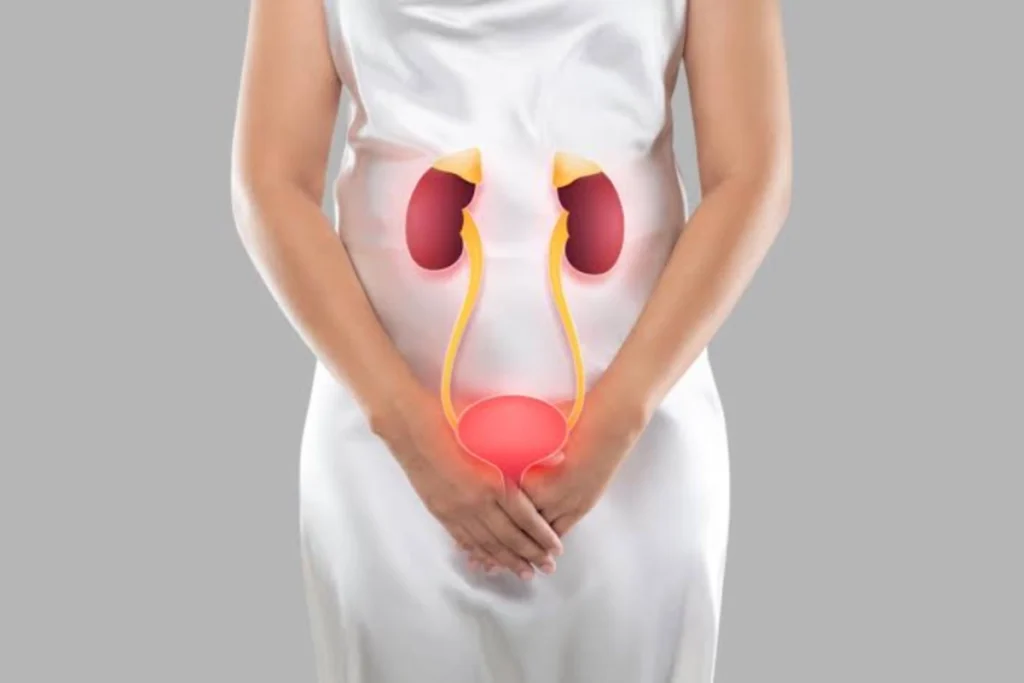
Yes. Disease near the bowel or bladder can produce symptoms that worsen around menstruation. But bowel and urinary conditions are common independently, and symptoms alone cannot establish whether these organs are affected. Expert imaging may be helpful when deep disease is suspected.
What should you do next?
Record when symptoms occur, how severe they are and how they affect daily activities. Discuss them with a gynaecologist. A normal ultrasound does not rule out superficial endometriosis, and treatment may be considered based on the overall clinical picture.
What should you discuss with your gynaecologist?
Ask what the findings suggest, whether further investigation would change treatment, what alternatives exist and how each option might affect fertility or daily function. Treatment should reflect the person’s symptoms and goals rather than imaging alone. Previous surgical reports and a simple symptom diary may make the discussion more useful.
What if symptoms continue despite treatment?
Persistent pain or bleeding deserves a review of the diagnosis, treatment response, side effects and possible overlapping conditions. A different medicine, expert imaging, pelvic floor assessment or specialist referral may be appropriate. Repeating surgery without a clear objective is not automatically the right next step.
When is urgent assessment necessary?
Seek urgent medical help for sudden severe abdominal pain, fainting, chest pain, shortness of breath, heavy bleeding with weakness, fever with severe pelvic pain or abdominal pain with a positive pregnancy test. These symptoms can indicate conditions requiring immediate care, not just a flare of a chronic pelvic disorder.
How does Dr. Neha approach the decision?
Dr. Neha Lalla, Consultant Obstetrician & Gynaecologist in Dubai, considers symptoms, anatomy, previous treatment and reproductive plans together. In complex cases, the aim is to identify whether surgery would offer a meaningful benefit, whether organ-preserving approaches are suitable and what risks must be discussed before consent.
Frequently Asked Questions On Endometriosis Symptoms
1. Does everyone with endometriosis need surgery?
No. Medical and supportive options may be appropriate depending on symptoms, findings and pregnancy plans.
2. Can a normal scan rule it out?
No. Superficial endometriosis may not be visible on ultrasound or MRI.
3. Does pain severity show how extensive disease is?
Not reliably. Pain can be severe even when limited disease is visible.
4. Can symptoms return after treatment?
Yes. Recurrence or persistent symptoms are possible and deserve follow-up.
5. Should I wait if pain is worsening?
Persistent or worsening pain warrants review. Sudden severe symptoms may need urgent assessment.
Conclusion
Endometriosis symptoms are not a test you pass by ticking enough boxes. What matters is the pattern, the impact on your life and whether the symptoms have been properly assessed. If pain is disrupting work, relationships or daily routines, a careful consultation can help distinguish endometriosis from other causes and identify treatment that fits your needs. Severe pain deserves an explanation, not dismissal.
Watch helpful insights on gynaecological health and endometriosis care on Dr. Neha Lalla’s YouTube channel.
Medical Disclaimer
This article is educational and is not a substitute for individual diagnosis, medical advice or treatment. Clinical suitability depends on examination and appropriate investigations.