A Pregnancy Diet Chart helps you understand what foods to eat and avoid during pregnancy while maintaining a varied and balanced diet. It should help you identify foods that need extra care and adapt meals when nausea or other symptoms make eating difficult. It does not need to be a restrictive menu or a list of expensive “superfoods”.
Most pregnant women can build meals around vegetables and fruit, wholegrains, protein foods, dairy or fortified alternatives, healthy fats and water. Some foods are best avoided because of infection risk, excessive vitamin A or mercury; certain nutrients, particularly folic acid, need attention even when you eat well. The right plan also depends on your medical history, stage of pregnancy and any conditions such as gestational diabetes.
What Should A Healthy Pregnancy Diet Include?
(Foods to Eat and Avoid During Pregnancy)
Think of the main meal rather than obsessing over one ingredient. A practical starting point is plenty of colourful vegetables, a portion of wholegrain rice, chapati or another starchy food, and a protein source such as cooked fish, chicken, lentils, beans, tofu or egg. Add fruit and calcium-rich food across the day. This is a flexible pattern, not a rigid plate prescription: appetite, food access, culture and individual nutritional needs differ.
The NHS advice on healthy eating in pregnancy recommends variety rather than a special pregnancy diet. You do not need to “eat for two”. Energy needs change across pregnancy, but extra portions at every meal are not automatically necessary. Ask your maternity team for individual guidance if you are carrying multiples, are underweight, have significant nausea or have concerns about weight gain.
Nutritious Foods to Eat During Pregnancy Regularly
- Vegetables and fruit: washed leafy greens, carrots, tomatoes, oranges, berries and seasonal produce supply fibre, vitamin C and folate.
- Wholegrains and starchy foods: oats, wholewheat bread, brown rice, chapati and potatoes provide energy, with wholegrain choices adding fibre.
- Protein: well-cooked poultry, fish, eggs, lentils, chickpeas, beans and tofu help support maternal tissues and fetal growth.
- Calcium-Rich Choices: pasteurised milk, plain yoghurt, cheese made from pasteurised milk or suitable fortified plant drinks support calcium intake.
- Healthy fats: nuts, seeds, avocado and olive oil can contribute useful fats; choose nuts only if you do not have an allergy.
You can meet many nutritional needs through vegetarian meals, but a vegan or highly restricted diet may require special attention to vitamin B12, iodine, iron, calcium, vitamin D and omega-3 intake. A prenatal dietitian can help you plan without unnecessary exclusions.
Foods To Avoid Or Limit During Pregnancy
A safe pregnancy diet is not about avoiding all seafood, dairy or cheese. It is about how food is prepared, whether it is pasteurised and which species or ingredients it contains.
- Avoid alcohol. There is no established safe amount of alcohol during pregnancy.
- Avoid unpasteurised milk and foods made from it. Some soft cheeses need specific precautions; follow current guidance for the cheese type and heat thoroughly when required.
- Avoid raw or undercooked meat, eggs, fish and shellfish; follow local food safety advice and cook thoroughly to minimise foodborne illness.
- Avoid liver, liver products and supplements containing retinol (preformed vitamin A), which can supply excessive amounts of vitamin A.
- Avoid high-mercury fish such as shark, swordfish, king mackerel, marlin and bigeye tuna.
- Limit caffeine to no more than 200 mg daily, counting coffee, tea, cola, energy drinks, chocolate and some supplements.
Fish can still be part of a healthy pregnancy diet. The FDA/EPA advice about eating fish recommends two to three weekly servings of lower-mercury “Best Choices” fish, such as salmon, sardines, shrimp or tilapia, for adults who are or may become pregnant. Specific tuna types have different mercury levels, so avoid treating all tuna as interchangeable.
Thoroughly wash produce; keep chilled ready-to-eat foods refrigerated; separate raw meat from prepared foods; and observe use-by dates. In hot weather, including Dubai summers, do not leave perishable foods unrefrigerated. If you accidentally eat a food on an avoid list, it does not mean harm has occurred. Seek advice if you develop fever, persistent vomiting, diarrhoea or symptoms suggesting food poisoning.
Sample One-Day Pregnancy Diet Chart
The following is an illustrative meal chart, not a calorie-controlled prescription. Quantities should follow your appetite, clinical needs and advice from your obstetric team. Use safe food handling and ensure meat, fish and eggs are thoroughly cooked.
1. Breakfast
Porridge made with pasteurised milk or fortified unsweetened plant milk, topped with banana and nuts. Alternative: fully cooked vegetable omelette with wholegrain toast.
2. Mid-Morning
A washed apple or orange with plain yoghurt, or a small portion of nuts and fruit. If morning nausea is strong, try plain toast or crackers first and add more substantial food later.
3. Lunch
Wholewheat chapati or brown rice with dal or chickpeas, cooked vegetables and well-washed salad. Alternative: cooked chicken or low-mercury fish with rice and vegetables.
4. Afternoon Snack
Hummus with washed vegetable sticks, roasted chickpeas or a small cheese sandwich prepared with pasteurised cheese. Choose water rather than relying on sweetened drinks.
5. Dinner
Vegetable and lentil soup with wholegrain bread, or a balanced meal of cooked fish, tofu or chicken, grains and vegetables. If reflux is troublesome, an earlier, smaller dinner may feel more comfortable.
6. If hungry in the Evening
Try a glass of pasteurised milk, plain yoghurt or a small wholegrain snack. You do not need every snack shown each day; the chart is a set of options, not a minimum food target.
Dubai households often mix cuisines. Khichdi with vegetables, grilled salmon with rice, bean stew, labneh made from pasteurised milk and wholegrain pita can all fit into a pregnancy diet. Pay more attention to food safety and overall variety than to whether a meal belongs to a particular cuisine.
Which Nutrients Matter Most During Pregnancy?
A varied diet provides the foundation, but food alone does not always provide enough of every pregnancy-specific nutrient. The ACOG guide to healthy eating during pregnancy discusses folate, iron, iodine, choline, calcium, vitamin D and other essential nutrients.
1. Folic Acid
For most women planning pregnancy or in early pregnancy, 400 micrograms of supplemental folic acid daily is recommended before conception and through the first 12 weeks. It helps reduce neural tube defects, which affect early brain and spinal development. Some women need a prescribed higher dose because of their medical history or medication use. Do not simply take extra prenatal tablets to increase the dose.
2. Iron, Iodine and Vitamin B12
Iron supports the increased maternal blood supply and oxygen transport. Sources include meat, lentils, beans and fortified cereals; vitamin C-rich foods can improve absorption of plant-based iron. Screening for anaemia is part of antenatal care, and supplements depend on your test results and local practice. Iodine is important for thyroid function and fetal brain development, while vitamin B12 is particularly important to assess in restrictive or vegan diets.
3. Calcium, Vitamin D, Choline and Omega-3
Calcium and vitamin D support bone health; yoghurt, pasteurised milk, fortified alternatives and certain greens can help. Eggs and other protein foods provide choline. Low-mercury fish supplies omega-3 fats; if you do not eat fish, ask whether an appropriate supplement is needed. Prenatal supplements vary, so review the actual label with your obstetrician rather than assuming every product covers every nutrient.
Every pregnancy is different, and your nutritional needs may change depending on your health and stage of pregnancy. For personalized pregnancy care in Dubai, consult Dr. Neha Lalla and book your appointment now.
How Should Your Diet Change When Pregnancy Symptoms Interfere?
1. Nausea or Poor Appetite
Small, frequent meals may be easier than three large meals. Plain crackers, toast, rice and small protein snacks can help some women. Keep fluids going in frequent sips. Severe vomiting is not simply a dietary problem: you may need assessment for dehydration and pregnancy-safe treatment. Do not continue struggling to eat or drink because you think all nausea is normal.
2. Constipation and Heartburn
Gradually increase fibre through wholegrains, fruit, vegetables and pulses, along with suitable fluids and physical activity. Heartburn may improve with smaller meals, avoiding lying down immediately after eating and identifying personal triggers. If symptoms persist, your obstetrician can discuss medicines considered suitable in pregnancy.
3. Gestational Diabetes or a Higher-Risk Pregnancy
A standard online pregnancy diet chart is not enough if you have gestational diabetes, significant anaemia, food allergies, hyperemesis, kidney disease or another condition affecting nutrition. You may need structured carbohydrate distribution, glucose monitoring, a specific supplement plan or supervised dietary advice. Do not cut out carbohydrates or restrict food groups without clinical guidance.
Women with these conditions may also require specialized high-risk pregnancy care in Dubai for appropriate medical monitoring and personalized pregnancy management.
How Dr. Neha Lalla Approaches Pregnancy Nutrition
Dr. Neha Lalla, Consultant Obstetrician & Gynaecologist in Dubai, considers nutrition as part of antenatal assessment rather than as a stand-alone list of permitted and forbidden foods. Blood results, weight trends, nausea, food preferences, current supplements and conditions such as gestational diabetes help identify where a patient may benefit from adjustments or referral to a dietitian.
It is reasonable to bring a three-day food record, supplement packaging and a list of questions to an antenatal appointment. This makes advice more useful than trying to match someone else’s diet chart exactly.
Frequently Asked Questions About Pregnancy Diet
1. What is the best food to eat in the first trimester?
There is no single best food. Aim for manageable, varied meals and ensure you take the recommended folic acid. If nausea restricts intake, focus on fluids and what you can tolerate while discussing persistent symptoms with your clinician.
2. Can I drink coffee while pregnant?
Usually yes, within the recommended total caffeine limit of 200 mg per day. Caffeine content differs between drinks, so a large café coffee may contain more than one standard serving.
3. Can I eat eggs every day?
Eggs provide protein and choline and may be included if they are thoroughly cooked and you do not have an allergy. Variety remains important.
4. Is sushi safe in pregnancy?
Cooked fish or vegetarian sushi made and stored hygienically may be suitable. Avoid raw fish and raw shellfish during pregnancy because of infection concerns.
5. Is spicy food harmful to the baby?
Spicy food is not generally harmful to the baby, but it may worsen reflux or nausea for some women. Let your symptoms guide your choices.
6. Do I need to stop eating all cheese?
No. Many hard cheeses and products made from pasteurised milk are suitable. Certain soft or mould-ripened cheeses carry additional food safety precautions.
7. How much water should I drink?
Fluid needs vary with body size, activity, weather and vomiting. Drink regularly and look out for dehydration symptoms such as very dark urine, dizziness or reduced urination; seek care if you cannot keep fluids down.
8. Can a vegetarian diet support pregnancy?
Yes, with thoughtful protein and micronutrient planning. Vitamin B12, iron, iodine, calcium and vitamin D deserve particular attention in restricted diets.
9. Should I take an extra iron tablet just in case?
Not without reviewing your prenatal vitamin and blood tests. Iron requirements rise, but the need for additional supplementation should be assessed individually.
10. What if I have gestational diabetes?
Your meal plan should be personalised with your diabetes and maternity team. Balanced carbohydrate portions, regular meals and glucose monitoring may be part of your care; a generic chart should not replace this.
Conclusion
A pregnancy diet chart is most useful when it helps you eat consistently, choose safer foods and meet your nutritional needs without unnecessary restrictions. For Dr. Neha Lalla, the practical question is whether the diet fits the woman’s pregnancy, symptoms and medical findings, not whether every meal looks perfect. If you are worried about weight change, food restrictions or supplements, discuss your usual meals at your next antenatal consultation.
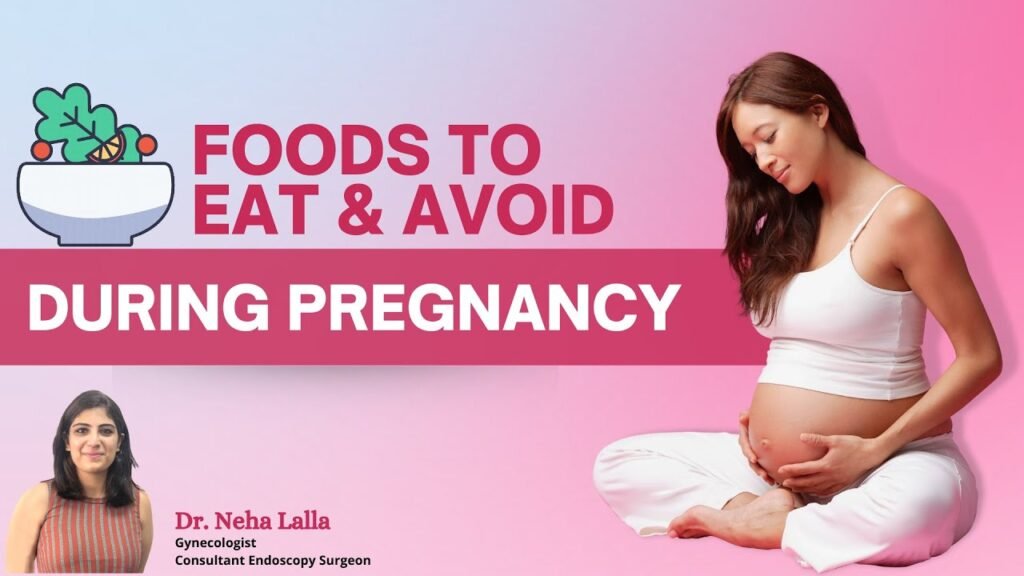
Watch Dr. Neha Lalla, Consultant Obstetrician & Gynaecologist in Dubai, explain the right food choices, foods to avoid and the importance of healthy eating for a safe and healthy pregnancy journey.
Medical Disclaimer
This article provides general educational information and does not replace individual medical advice, diagnosis or treatment. Dietary and supplement suitability depends on the patient’s symptoms, examination findings, investigations, medical history and individual clinical circumstances. Seek prompt medical attention for concerning symptoms during pregnancy.