
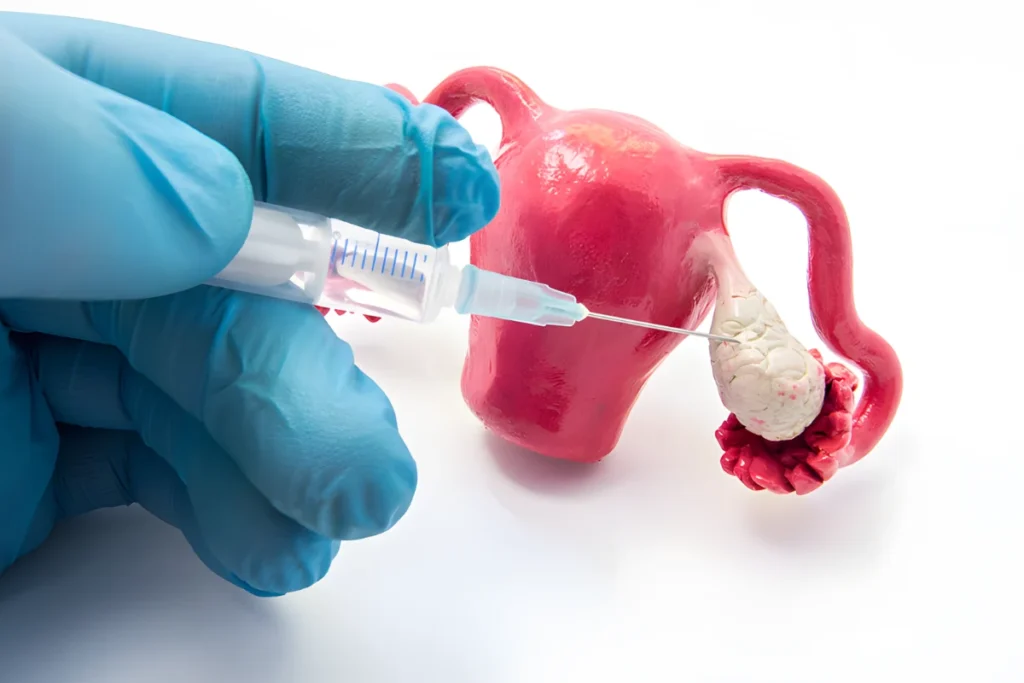
For many couples, the pregnancy journey begins with excitement and anticipation. But when months pass without success, it is natural to start asking questions.
“Am I ovulating regularly?”
“Could my irregular periods be affecting my chances of getting pregnant?”
“Do I need fertility treatment?”
One of the most common reasons women struggle to conceive is irregular or absent ovulation. If an egg is not released regularly, pregnancy becomes much more difficult, regardless of how healthy everything else may be.
The good news is that ovulation problems are often treatable.
Ovulation induction treatment is one of the most commonly used fertility treatments and has helped many women achieve successful pregnancies. It is particularly beneficial for women with irregular cycles, polycystic ovary syndrome (PCOS), and certain hormonal imbalances that affect ovulation.
Understanding how ovulation induction works can help you make informed decisions about your fertility journey.
What Is Ovulation?
Ovulation is the process by which a mature egg is released from the ovary during the menstrual cycle.
Once released, the egg travels through the fallopian tube, where it may be fertilized by sperm.
Pregnancy can only occur if ovulation happens.
Women who ovulate regularly typically have a predictable fertile window each month. However, some women may ovulate infrequently, irregularly, or not at all.
When ovulation does not occur consistently, conceiving naturally becomes much more challenging.
Signs That You May Not Be Ovulating Regularly
Ovulation problems are often linked to menstrual irregularities.
Some common signs include:
- Irregular menstrual cycles
- Skipped periods
- Very long cycles
- Very short cycles
- Unpredictable bleeding patterns
- Difficulty conceiving despite regular attempts
- Symptoms associated with hormonal imbalance
However, it is important to remember that even women who have monthly periods may not always ovulate consistently.
That is why fertility evaluation often includes a detailed assessment of ovulation.
What Is Ovulation Induction Treatment?
Ovulation induction treatment is a fertility treatment designed to stimulate the ovaries to release an egg.
The goal is simple:
To help a woman ovulate regularly and improve the chances of conception.
This treatment is commonly recommended for women who:
- Do not ovulate regularly
- Have PCOS
- Have irregular menstrual cycles
- Experience ovulation-related infertility
- Need assistance optimizing ovulation timing
By encouraging predictable ovulation, fertility specialists can significantly improve the chances of pregnancy in suitable candidates.
How Does Ovulation Induction Work?
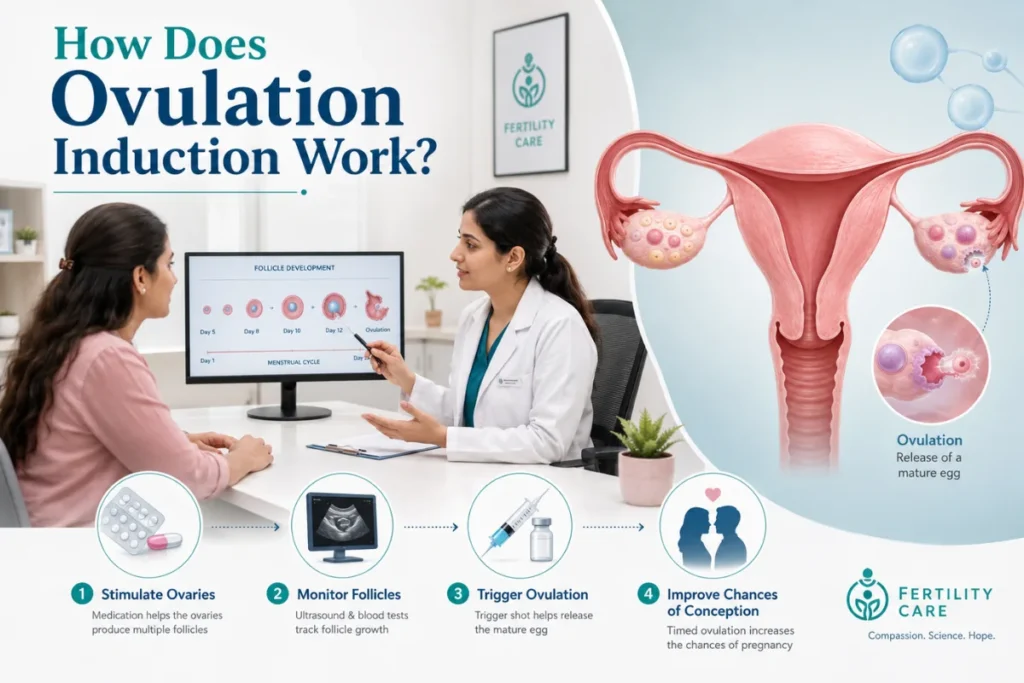
Ovulation induction involves medications that stimulate ovarian follicles to grow and mature.
During treatment, the ovaries are monitored closely to ensure an appropriate response and reduce the risk of complications.
The process generally includes:
Initial Fertility Assessment
Before treatment begins, a detailed evaluation is performed.
This may include:
- Medical history review
- Menstrual cycle assessment
- Hormonal testing
- Ultrasound examination
- Evaluation of ovarian reserve
- Assessment of partner fertility factors
This step helps identify the underlying cause of ovulation problems and ensures that ovulation induction is the appropriate treatment.
Medication to Stimulate Ovulation
Specific fertility medications are prescribed to encourage follicle development and egg release.
The most commonly used medications include:
- Letrozole
- Clomiphene citrate (Clomid)
These medications work by stimulating hormonal pathways involved in ovulation.
Monitoring Follicle Growth
Ultrasound scans may be performed during treatment to monitor follicular development and determine when ovulation is likely to occur.
Monitoring helps:
- Confirm treatment effectiveness
- Optimize timing for conception
- Reduce the risk of multiple pregnancies
- Adjust treatment plans when necessary
Ovulation and Conception
Once a mature follicle develops, ovulation typically occurs, creating an opportunity for natural conception or assisted fertility treatments when appropriate.
How to Get Pregnant with PCOS
One of the most common reasons for ovulation problems is Polycystic Ovary Syndrome (PCOS).
PCOS affects hormone regulation and may prevent regular egg release.
Women with PCOS often experience:
- Irregular periods
- Absent periods
- Weight gain
- Acne
- Excess hair growth
- Difficulty conceiving
If you are wondering how to get pregnant with PCOS, it is important to understand that many women with PCOS achieve successful pregnancies with the right treatment and monitoring.
Ovulation induction is often considered a first-line fertility treatment for women with PCOS because it directly addresses the underlying issue of irregular ovulation.
In addition to medication, treatment plans may also include:
- Lifestyle modifications
- Weight management strategies when appropriate
- Nutritional guidance
- Hormonal evaluation
- Individualized fertility planning
The best approach depends on each woman’s unique medical history and fertility goals.
Clomid vs Letrozole: Understanding Common Ovulation Medications
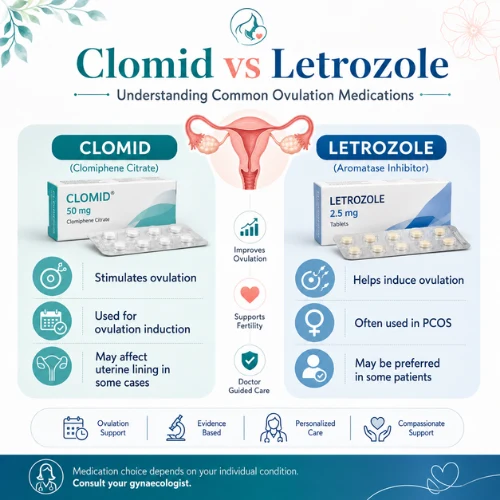
Two of the most commonly prescribed fertility drugs for ovulation are Clomiphene citrate (Clomid) and Letrozole.
Clomid (Clomiphene Citrate)
Clomid has been used for decades to stimulate ovulation.
It works by encouraging the body to produce hormones that support follicle development and egg release.
Benefits may include:
- Well-established treatment history
- Oral medication
- Convenient administration
Letrozole
Clomid Letrozole ovulation induction discussions are common because Letrozole has become increasingly popular, particularly for women with PCOS.
Letrozole works differently from Clomid and may offer certain advantages in selected patients.
Your fertility specialist will determine which medication is most appropriate based on:
- Age
- Diagnosis
- Ovulation pattern
- Hormone levels
- Previous fertility treatments
- Overall reproductive goals
There is no single medication that is right for everyone.
Individualized treatment leads to the best outcomes.
Who Can Benefit from Ovulation Induction?
Ovulation induction may be beneficial for women experiencing:
PCOS-Related Infertility
Women with PCOS frequently experience irregular ovulation and are often excellent candidates for treatment.
Irregular Periods and Fertility Challenges
Women with unpredictable menstrual cycles may have difficulty identifying fertile windows and achieving pregnancy naturally.
Unexplained Ovulation Disorders
Some women experience ovulation dysfunction without a clearly identifiable cause.
Mild Ovulatory Dysfunction
Even subtle irregularities in ovulation can affect fertility and may respond well to treatment.
What Are the Success Rates of Ovulation Induction?
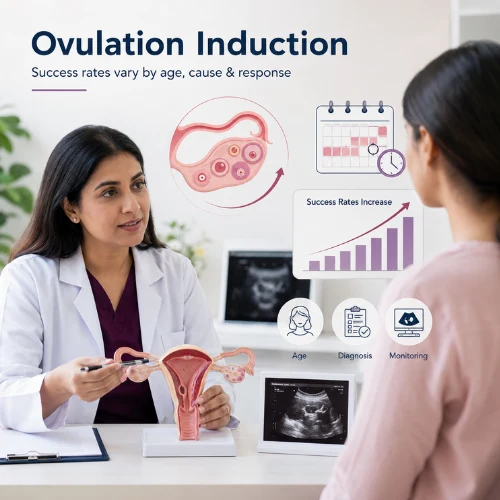
Success rates vary depending on several factors, including:
- Age
- Underlying diagnosis
- Ovarian reserve
- Duration of infertility
- Partner fertility factors
- Overall reproductive health
It is important to remember that ovulation induction helps improve the chances of pregnancy, but no fertility treatment can guarantee conception.
For this reason, treatment should always be guided by realistic expectations and individualized planning.
Are There Risks Associated with Ovulation Induction?
Ovulation induction is generally considered safe when performed under specialist supervision.
However, like any medical treatment, there are potential risks.
Possible considerations include:
- Multiple pregnancy
- Ovarian overstimulation
- Medication side effects
- Incomplete response to treatment
Careful monitoring significantly reduces these risks and helps optimize outcomes.
When Should You Seek Fertility Evaluation?
If you have been trying to conceive and experience any of the following, it may be time to seek professional advice:
- Irregular periods
- Absent periods
- Known PCOS
- Difficulty identifying ovulation
- Pregnancy not achieved after appropriate attempts
- Previous fertility concerns
Early evaluation often helps identify issues before valuable time is lost.
Irregular Periods and Fertility Treatment: Why Timing Matters
Many women assume irregular periods are simply a nuisance.
In reality, irregular cycles can be an important clue that ovulation is not occurring consistently.
Addressing ovulation problems early often improves treatment options and fertility outcomes.
Rather than continuing to guess whether ovulation is occurring, a structured fertility evaluation can provide answers and a clear treatment plan.
Final Thoughts
Ovulation is one of the most important steps in achieving pregnancy, yet many women with fertility challenges are simply not ovulating consistently.
Fortunately, ovulation induction treatment offers an effective and well-established solution for many women experiencing ovulation-related infertility.
Whether the cause is PCOS, hormonal imbalance, or irregular cycles, treatment can often help restore predictable ovulation and improve the chances of conception.
The key is identifying the underlying issue and creating a personalized fertility plan that aligns with your goals.
Dr Neha Lalla specializes in fertility evaluation, ovulation induction, PCOS management, reproductive health, and personalized fertility care. Through comprehensive assessment and evidence-based treatment strategies, she helps women navigate their fertility journey with clarity and confidence.
If you are struggling with irregular periods, PCOS, or difficulty conceiving, schedule a consultation to explore the most appropriate fertility treatment options for your individual needs.